 REFLEX RIVALS
You against your best score
Solo mode is where you actually improve. You pick a mini-game, a difficulty, and play survival-style: each hit gives you a bit more pressure and a bit less time, until your reflexes give out. Afterwards, the app analyses every tap and shows you exactly how to get faster.
Choose how much you want to suffer
Each mode is played at four difficulties. The higher it goes, the less time you have per round… and the more it multiplies your score. God is reserved for those who truly rule.
Easy
To warm up and learn each mode.
Medium
The right challenge: fast but reachable.
Hard
Tight windows and more distractors. This is where it gets serious.
God
At the limit of human ability. Multiplies your score… if you survive.
Fourteen ways to test
your reflexes
From the raw speed of Classic to the chaos of Color & Shape. Each mode keeps its own scores and its own ranking.
Classic
Pure reaction speedA dot appears in a random position and you have a time window to tap it. Every hit shortens the window, so pressure builds round after round. The most direct mode: only your reflexes and your composure count.
Moving Dot
Trajectory anticipationThe dot travels in a straight line at a random angle. The time it takes to complete its path is exactly your time to catch it, so each hit makes it faster. You must read its movement vector and get ahead of where it is going.
Curved Path
Curve predictionThe dot follows smooth arcs with tight turns, not straight lines. It has a double penalty: every hit cuts your time and also lengthens the curve, so the next round covers more distance in less time. Predicting the curvature is the only way to keep up.
Teleport
Impulse controlThe dot appears still, but most of the time it flashes and teleports elsewhere at an unpredictable instant. Tap too soon and you hit empty space. You must be able to stop your own impulse mid-air and react to the change.
Dodging Dot
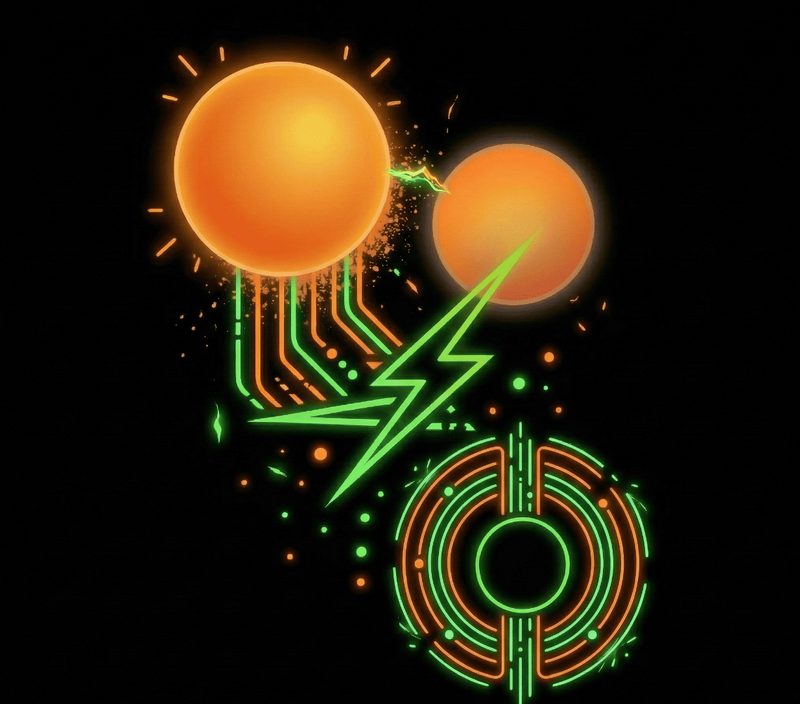
Motor correctionThe dot is still but makes several quick dashes during the round. Before each dodge it dims for a split second as a warning. You must re-aim again and again at a slippery target without losing your nerve.
Burst
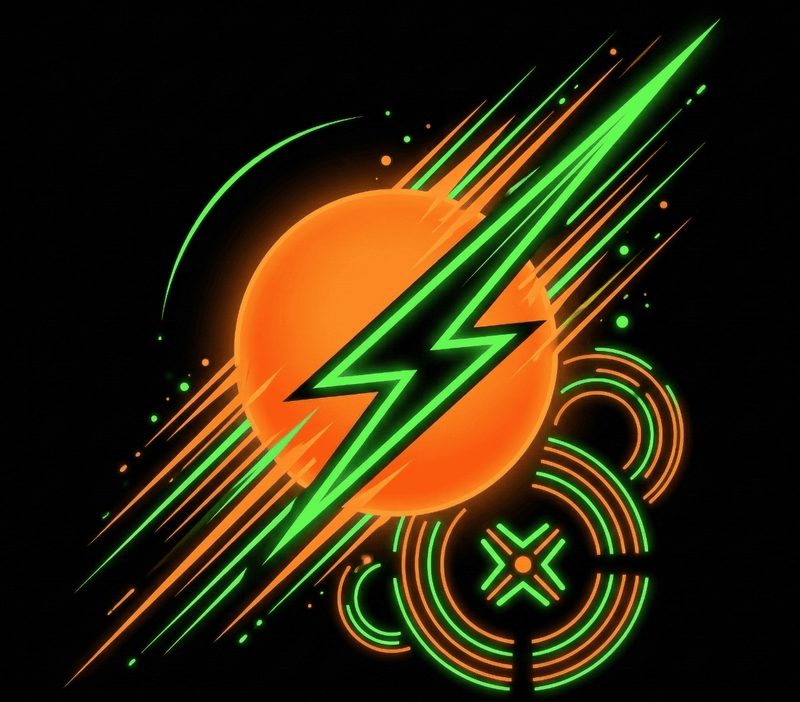
Tap speedEach dot shows a number: how many times you must tap it in a row to clear it. The less time you have left, the more your finger cadence is pushed. It is pure tap speed under pressure.
Invisible Dot
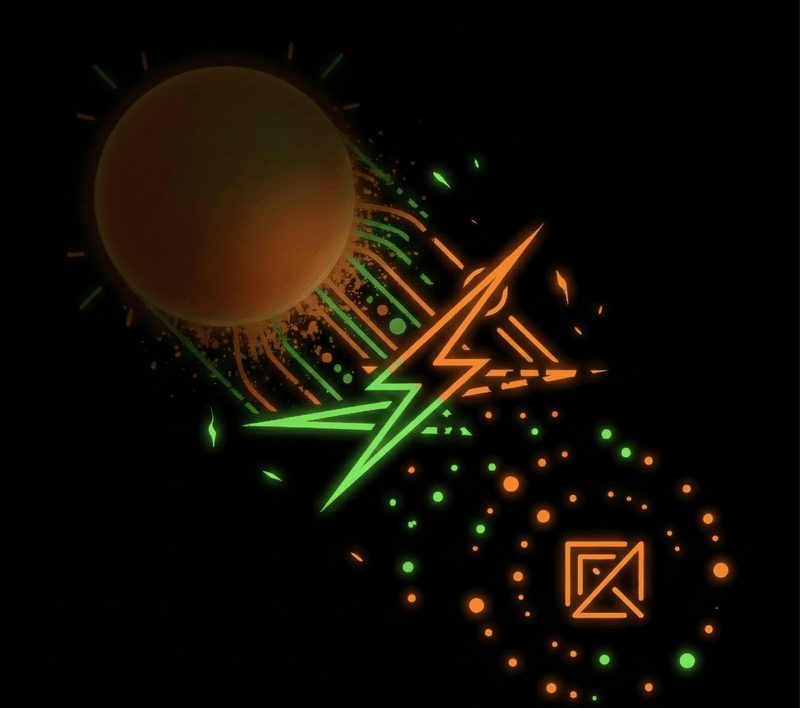
Spatial memoryThe dot appears for only a moment and fades until it is invisible, though it is still there. You must capture its position in a fraction of a second and then blindly tap the exact spot where you remember it. The harder the level, the less you see it.
Memory Burst
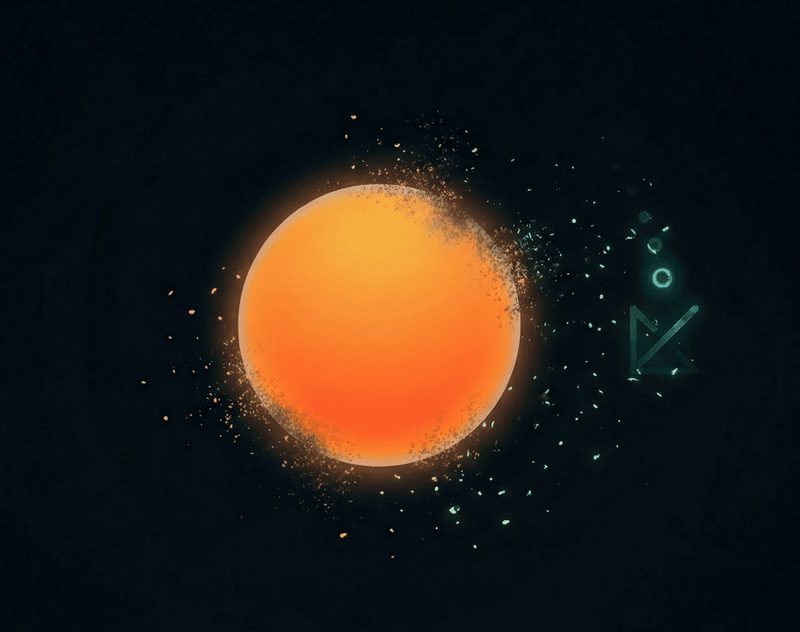
Working memoryWhile you tap the current dot the required number of times, a giant banner already tells you how many taps the next one needs. You must hold two orders in your head at once without stopping. Pure divided attention.
Kinetic Anticipation
Spatial extrapolationThe dot travels along a guide line at constant speed, but turns invisible before reaching the end. You must mentally compute where it will be when its path ends and tap that exact point. Intuitive physics against the clock.
Color & Shape
Conjunctive attentionYou are asked for a specific combination, e.g. “magenta circle”. The screen shows many shapes in many colours, and the decoys share either the colour or the shape to confuse you. You must integrate both clues at once to find the single valid target.
Shape Hunter
Visual discriminationA target shape is set (circle, square, triangle, hexagon…) and several different shapes appear on screen. You must scan fast, discard the decoys and tap only the right one. The harder the level, the more shapes to filter.
Line Follower
Fine motor controlYou see a straight line and a dot at the start. You must drag it with your finger along the lane without straying: if you leave it, progress stops. Reach the end before time runs out. It rewards a steady hand and sustained precision.
Compound Path
Muscle memoryThe advanced version of Line Follower: the path is made of three chained curves and it is invisible. With no guide in sight, you must intuit the turns and keep your finger inside a narrow lane you can’t see. Pure muscle memory against the clock.

Colour Challenge
Colour discriminationYou pick a type of colour challenge and the game pits you against very close colour pairs, the kind that are easily confused. You must tap the one matching the target. It is a colour-perception test so demanding that many discover shades they did not know they could tell apart… or not.
A campaign to master it all
Story Mode: A level-based adventure that chains and mixes every mechanic: it starts by tapping dots in order, then power bursts and, in the end, pure chaos with several orders at once. Twelve levels, ten rounds each, and a window that tightens mercilessly. Every round is recorded so you can relive it.
Download and play
You don’t just play: you learn
Here’s the difference. When you finish, REFLEX RIVALS doesn’t stop at the number: it dissects your game with tools you’d normally only see in a lab.
Heat map
Shows which zones of the screen you hit most and where dots slip away. Do you miss more on the left? You’ll see it.
Skill radar
Six axes — speed, accuracy, stability, combo, strong side and adaptability — draw your full profile at a glance.
Anatomy of error
Do you miss from aim or from being late? The app separates precision errors from timing errors so you know what to polish.
Your player archetype
Combining all your data, the app assigns you a profile — hunter, precise, fast, balanced… — that evolves with you.
Progress over time
Watch your milliseconds drop game after game. The improvement curve is the best reward.
Replays
Relive any game tap by tap: where the dot appeared, when you reacted and how precisely. Learn from yourself.
Start dropping your milliseconds
Download it free and discover your real reaction time in your first game.